What's Unique About Orthodox Caskets?
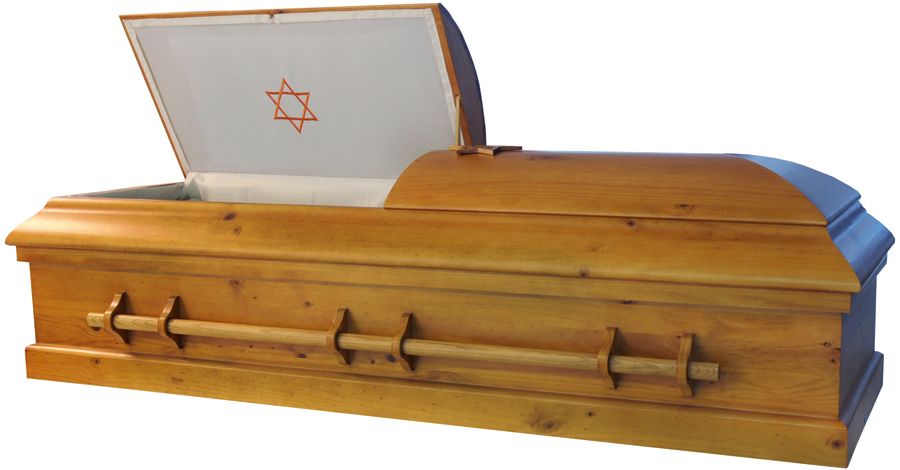
Orthodox caskets are unique in their simplicity and adherence to religious traditions, often associated with Jewish and some Christian Orthodox burial practices. They are typically made entirely of natural materials, such as wood (pine, oak, or mahogany), and avoid using any metal parts, including nails, screws, or hinges, to ensure they are fully biodegradable. Their design is modest and unadorned, reflecting humility and the principle of equality in death. These caskets may have minimal or no linings, and if used, the linings are made of natural materials like cotton.
In Jewish burial practices, the design aligns with the belief in returning to the earth ("from dust to dust"), allowing the body to decompose naturally. Some caskets even include small holes in the bottom to ensure direct contact with the earth. These caskets are part of a broader tradition that includes the ritual washing of the body (tahara) and wrapping the deceased in a simple shroud (tachrichim). In Eastern Orthodox Christian traditions, the caskets are similarly simple but may feature religious carvings, such as crosses, symbolizing faith and hope in resurrection. This simplicity reflects the humility and reverence central to their faith teachings.
Photo from the bestpricecaskets online store.