What The Heck Is A Dead House??
How did people bury bodies in winter when the ground was frozen? Today, people in Canada and some northern U.S. states use machinery such as backhoes with "winter teeth", jackhammers, and even propane-powered grave warmers to soften the frozen ground.
Before modern equipment, "dead houses" were structures historically used for the temporary storage of corpses, particularly in colder climates or situations where immediate burial was not feasible. These buildings were common in the 18th and 19th centuries and served practical, cultural, and sanitary purposes. Primarily, dead houses provided a place to store bodies during winter when the ground was too frozen to dig graves. They were also used to hold unidentified bodies, those awaiting autopsy, or remains requiring investigation to determine the cause of death.
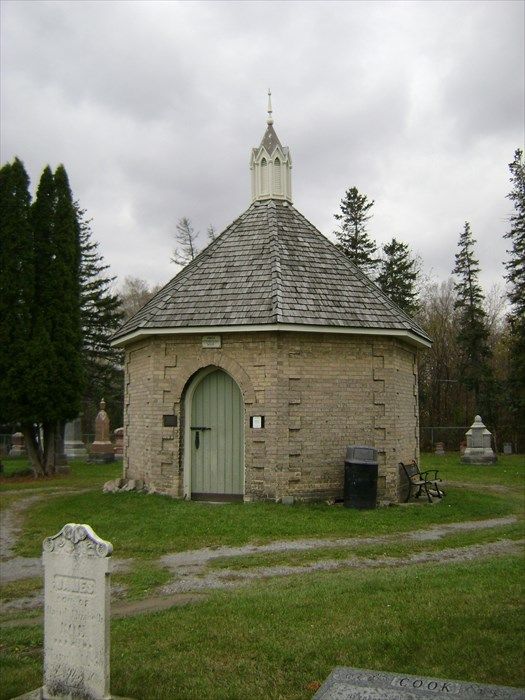
Typically small and simple, dead houses were constructed from stone or brick to maintain a cool and secure environment. They often featured thick walls, minimal windows for temperature control, and interior racks or shelves for storing coffins or bodies. Some even included drainage systems to manage decomposition fluids. Dead houses were commonly located near cemeteries, morgues, or hospitals, while in rural areas, they were often situated near churches or community burial grounds.
Today, many historical dead houses have been preserved as heritage sites or repurposed for other uses, providing insight into past funeral practices, societal attitudes toward death, and the challenges communities faced in managing the deceased with dignity. They reflect a practical yet deeply human response to the logistical and cultural demands of their time.
Photo: The Richmond Hill Dead House in Ontario Canada, constructed in 1863 (Waymarking 2009)